Wondering if Ball Ground could be the right move after Atlanta? That depends on what you want more of in your daily life: a smaller-town setting, more space, and a local downtown feel, or the convenience that comes with living closer to the city. If you are weighing that tradeoff, this guide will help you look at Ball Ground through a practical lens so you can decide whether it fits how you actually want to live. Let’s dive in.
Ball Ground at a Glance
Ball Ground sits in Cherokee County on metro Atlanta’s northern edge, and it feels very different from in-town Atlanta. The city describes itself through its historic main street, local shops and restaurants, historic homes, and recreation options. That points to a more compact, community-oriented setting rather than an urban one.
It is also a growing place. The 2020 Census counted 2,560 residents, while the city now describes Ball Ground as a city of 3,500 residents. The city’s 2023 comprehensive plan says population grew by nearly 79% between 2010 and 2020.
For many movers, that mix is the appeal. You get access to North Georgia living patterns while still being connected to major roads that lead back toward metro Atlanta.
Why Atlanta Buyers Look at Ball Ground
If Atlanta feels too busy, too dense, or too expensive for the lifestyle you want, Ball Ground can stand out for a few reasons. It offers a more small-scale environment, a visible downtown core, and a housing mix that leans heavily toward detached single-family homes. That can be a meaningful shift if you are ready for more room or a quieter pace.
Ball Ground also reads as a comparatively higher-income market. Current Census data show a median household income of $117,829, compared with Georgia’s median of $77,353. Census data also show that 42.5% of adults have a bachelor’s degree or higher.
That does not mean Ball Ground is a one-size-fits-all answer. It means the market tends to attract households looking for a different kind of everyday routine than they had in Atlanta.
Commute Reality From Ball Ground
The biggest question for many Atlanta-area movers is simple: how often do you really need to go back into the city? Ball Ground is flanked by I-575, and State Route 372 is its main east-west connector, which helps with regional access. But the day-to-day transportation pattern is still overwhelmingly car-based.
The city’s 2023 plan says there are no fixed transit services in Ball Ground. Cherokee County Transportation System offers on-demand service within the county, but most residents rely on personal vehicles. More than 78% of Ball Ground workers drive alone, and the average commute is about 27 minutes.
If you are used to transit options or quick in-town access, this is a major lifestyle shift. The tradeoff is not only distance. It is also the need to plan around traffic, work start times, school schedules, and a vehicle-first routine.
Who the commute works best for
Ball Ground tends to work better for people who:
- Work remotely most or all of the time
- Commute into Atlanta only a few days per week
- Want access to major corridors but do not need transit
- Are comfortable structuring errands and work trips around driving
If you need a short, predictable drive into Atlanta every day, Ball Ground may feel less convenient than closer-in suburbs.
Housing in Ball Ground
Ball Ground sits in the higher-priced North Georgia range, but there is no single number that tells the whole story. Different market sources show different snapshots depending on whether they track recent sales, active listings, or estimated values. That means you should compare homes by property type, condition, and location instead of relying on one headline figure.
Recent market data shows that Ball Ground is not an entry-level market. Redfin reports a median sale price of $489,607, up 4.2% year over year, with homes taking about 110 days on market and a median price per square foot of $238. Zillow’s latest home value index puts typical value at $507,214 and shows a median list price of $589,000, while Realtor.com reports a median listing price of $664,900.
That spread matters because active listings, closed sales, and valuation models each tell a different story. If you are comparing Ball Ground with Atlanta or other north-metro options, focus on the slice of the market that matches your goals.
What types of homes you will find
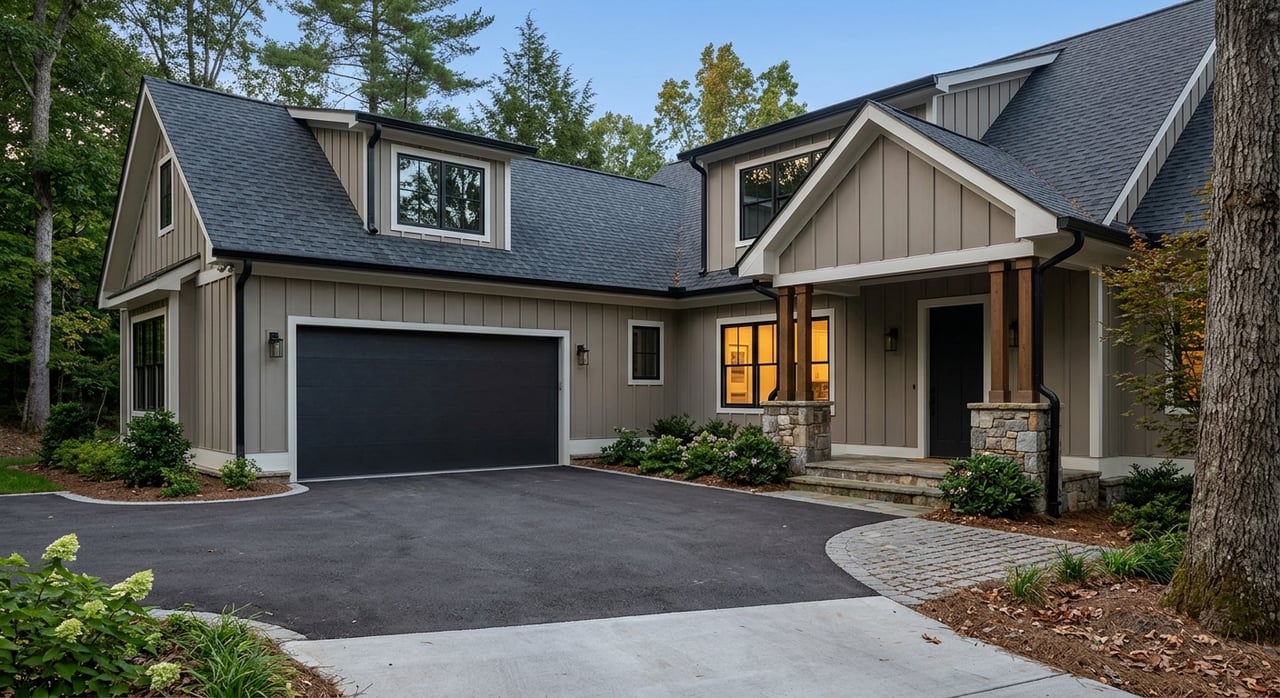
The city’s comprehensive plan says Ball Ground’s housing stock is primarily detached single-family homes. There are also some townhomes and one apartment complex of about 80 units. Compared with larger suburbs, that points to a mostly single-family market with more limited rental depth.
For buyers, that can be a plus if you want a home with more land, privacy, or a traditional neighborhood feel. For renters or buyers hoping for a broad range of apartment choices, the selection may feel narrower than what you would find in larger suburban markets.
Custom Build and Land Considerations
Ball Ground can also appeal to buyers who are thinking beyond resale homes. If you want land, a future build, or a more tailored property search, this area may be worth a closer look. That said, lot decisions require more homework than many buyers expect.
The city’s planning and zoning information shows that development plans go through formal City Hall review and that the city uses adopted zoning and impact-fee processes. If you are considering a build or a major land-use change, approval timing should be part of your planning from the start.
This is one area where local guidance matters. A lot may look promising at first glance, but timing, approvals, and fit for your long-term goals can change the picture quickly.
Everyday Life in Ball Ground
Ball Ground’s appeal is not just about houses. It is also about what your day feels like once you live there. The city has a visible recreation footprint for its size, with City Park, Calvin Farmer Park, Ball Ground Botanical Gardens, Valley District Linear Park, Lions Field, a sports complex, and a city gym.
City Park includes picnic tables, a walking track, restrooms, and parking. Downtown Ball Ground also highlights everyday food, shopping, services, community events, and pop-up markets. That supports a lifestyle built more around a compact downtown core and local recreation than a large commercial district.
For some buyers, that sounds ideal. For others, it can feel like a big adjustment from Atlanta’s denser retail, dining, and entertainment choices.
Schools and Daily Scheduling
If school schedules affect your move, it helps to look at both assignment patterns and daily timing. Cherokee County School District lists Ball Ground Elementary School STEM Academy feeding Creekland Middle School and Creekview High School, though the district notes that some attendance patterns can split as population growth changes boundaries.
The daily schedule may matter just as much as the assignment. Ball Ground Elementary starts at 7:35 a.m. and ends at 2:15 p.m., while Creekland Middle and Creekview High both start at 8:30 a.m. If your work hours, childcare, or commute depend on a smooth morning routine, these details are worth checking early.
One Local Project to Watch
Infrastructure can shape how a place feels over time, and Ball Ground has one notable project in the works. The city says its planned 1.5-mile truck bypass would run from SR 5 to SR 369 and is intended to divert truck traffic away from the city center.
According to the city, the project is in preliminary design and could take 5 to 10 years from engineering to completion. The current target is right-of-way authorization in 2027 and a proposed let date in the third quarter of 2029. If you are thinking long term, it is the kind of project worth keeping on your radar.
Is Ball Ground the Right Fit for You?
Ball Ground is often a better fit if you want a smaller-town setting, local parks, and a more residential feel while staying connected to major corridors north of Atlanta. It can be especially appealing if you want detached housing, possible land options, or a day-to-day rhythm that feels less urban.
It may be a less natural fit if you depend on fixed transit, want dense retail close by, or need a short and predictable drive into Atlanta every day. In other words, the right answer comes down to your routine, not just the map.
Before you make a move, ask yourself a few practical questions:
- How many days each week will you need to commute toward Atlanta?
- Are you comfortable with a vehicle-first lifestyle?
- Do you want historic downtown character, a newer subdivision, or land for a future build?
- Are you comparing recent closed-sale prices, current list prices, or rental options?
- If school schedules matter to you, do the assigned schools and start times fit your routine?
If your answers lean toward space, flexibility, and a more local pace of life, Ball Ground may be worth serious consideration.
If you are exploring Ball Ground, land, or North Georgia homes and want practical guidance without pressure, North GA Properties can help you compare your options and find the right fit for how you want to live.
FAQs
Is Ball Ground closer to a small town or a suburb?
- Ball Ground has more of a small-town feel, with a historic downtown, local shops and restaurants, and a strong recreation presence, though it is still connected to the broader metro area.
Is Ball Ground a good option for Atlanta commuters?
- It can work well if you commute only occasionally or have flexible work arrangements, but it is less ideal if you need fixed transit or a short, predictable daily drive into Atlanta.
What kind of homes are common in Ball Ground, Georgia?
- Ball Ground’s housing stock is primarily detached single-family homes, with some townhomes and limited apartment inventory.
Are Ball Ground home prices lower than Atlanta?
- Ball Ground is generally in a higher-priced North Georgia range, but pricing varies widely by source, property type, and whether you are looking at closed sales, active listings, or estimated values.
Can you buy land or build in Ball Ground?
- Yes, but build and land decisions should account for the city’s formal review, zoning, and impact-fee processes, which can affect timing.
What schools serve Ball Ground, Georgia addresses?
- Cherokee County School District lists Ball Ground Elementary School STEM Academy, Creekland Middle School, and Creekview High School for the standard assignment path, though boundaries can shift as the area grows.