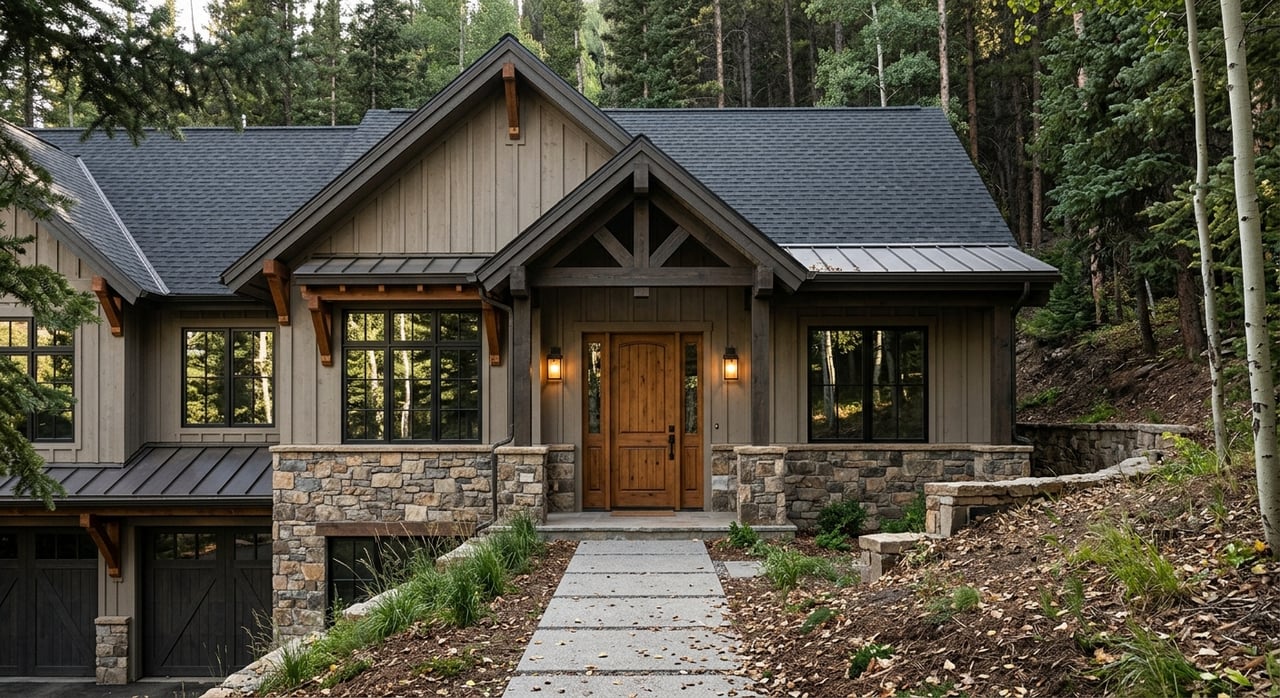
If you are drawn to Big Canoe but do not want the upkeep that can come with a larger mountain home, a condo or townhome may be the right fit. Many buyers want the scenery, amenities, and flexibility of this gated North Georgia community without taking on every exterior maintenance task themselves. The good news is that attached-home living here can offer a strong mix of convenience and lifestyle, as long as you understand the rules, fees, and ownership responsibilities before you buy. Let’s dive in.
What condo and townhome living means in Big Canoe
Big Canoe is a private gated community in the North Georgia mountains, about an hour north of Atlanta, and the community notes that roughly 60% of residents live there full-time. That helps explain why condos and townhomes can appeal to both weekend owners and year-round residents. You can learn more about the community setting on the Big Canoe location page.
In practical terms, condo and townhome living in Big Canoe is usually about easier day-to-day ownership and close access to amenities. Instead of focusing only on lot size or yard work, many buyers are looking for a mountain retreat that is simpler to lock up and leave. That can be especially appealing if you split your time between homes or plan to travel often.
Why buyers choose attached homes
For many buyers, the biggest draw is convenience. Big Canoe promotes a lifestyle built around golf, lakes, trails, racquet sports, swimming, fitness, dining, shopping, and a busy social calendar, which makes it easier to spend more time enjoying the community and less time managing a property. The community highlights these features on the Big Canoe homepage.
Attached homes can also place you closer to the amenity core. That matters if you want easier access to the clubhouse, marina, fitness options, or recreation areas without a long drive inside the community. For second-home buyers, that kind of location can make weekend trips feel more effortless.
What Big Canoe condos often look like
Current condo inventory in Big Canoe tends to include smaller homes with views and amenity access. One recent example at 34 Sconti Ridge #405 was marketed as a two-bedroom, two-bath condo with 1,108 square feet, two primary suites, a deck, and lake and fairway views. Its description also emphasized proximity to the clubhouse, beach, pool, fitness amenities, Lake Petit, and the marina.
That example gives you a helpful snapshot of what some condo buyers are seeking here. Often, the appeal is not maximum square footage. Instead, it is a manageable footprint, a view, and easy access to the parts of Big Canoe you plan to use most.
A weekly market recap from early April 2026 also showed one new condo listing at $325,000. While that is just one point in time, it suggests there can be entry points for buyers who want to get into Big Canoe at a lower price than many detached homes.
What Big Canoe townhomes can look like
Townhomes in Big Canoe are not always like the townhome developments you may see in suburban markets. Product types can vary, and some properties are described as townhouses, cluster homes, or craftsman-style attached living. That means it is important to look beyond the label and understand how a specific property is built and maintained.
For example, a recently withdrawn listing at 79 Chestnut Knoll Ct was marketed as a townhouse or cluster home with 2,182 square feet over three or more levels and no common walls. The fee structure shown in that listing totaled about $556 per month when annual fees of $2,100 and $4,572 were combined. The listing notes said those dues covered insurance, maintenance grounds, pest control, and sewer.
That kind of example shows why due diligence matters. In Big Canoe, one townhome may feel very different from another in size, layout, privacy, and monthly carrying costs.
Fees and dues to expect
One of the biggest differences between attached-home living and owning a detached home is the fee structure. In Big Canoe, you may have community-level fees and a second layer of neighborhood or association dues, depending on the property. Those extra dues may help cover items like grounds maintenance, insurance, pest control, or sewer, but the exact coverage can vary.
This is where buyers need to slow down and ask detailed questions. You will want to confirm what each fee covers, whether any exterior maintenance is shared, and whether there are separate rules for the specific neighborhood. A lower-maintenance lifestyle can be worth the tradeoff, but only if you understand the full cost of ownership from the start.
Exterior rules and ownership responsibilities
Big Canoe is an architecturally and environmentally controlled community, and that affects condo and townhome owners too. According to the 2026 AEC Standards, exterior changes, including repainting, require prior AECD approval. The standards also say owners are expected to keep developed properties neat, attractive, and safe, and that roofs, gutters, and driveways must be maintained.
The same standards note that neighborhoods can have their own exterior design guidelines, and cluster homes have their own appendix of neighborhood rules. The POA maintains common areas, but that does not mean every exterior detail is handled for you. If you are considering a condo or townhome, it is smart to review both the community standards and any neighborhood-specific documents before you move forward.
Rental planning matters
If you are thinking about leasing the property at any point, rental planning should be part of your due diligence early in the process. Big Canoe requires lease registration before leasing, and the 2024 Residential Lease Registration Form says registration should be filed at least 48 hours before leasing. It also states that failure to register can result in a $1,000 fine and blocked gate access for tenants.
For second-home buyers, this is an important point. Even if you are not planning to rent right away, you may want future flexibility. Understanding the registration requirement ahead of time can help you avoid surprises later.
Lifestyle is the main selling point
For many buyers, the biggest reason to choose a Big Canoe condo or townhome is simple: lifestyle. Big Canoe advertises 27 holes of golf, more than 20 miles of hiking trails, three lakes, tennis and pickleball, swimming, bocce, fishing and boating, fitness and spa facilities, dining and shopping, plus more than 100 clubs and events. The community also notes that residents can choose a membership portfolio or pay per amenity use, with usage varying by season and availability.
That combination can make attached homes especially attractive if you want a place that supports weekend escapes, active retirement, or a lower-maintenance full-time move. Rather than spending your time coordinating exterior work on a larger property, you may be able to focus more on the parts of Big Canoe that brought you there in the first place.
Is a condo or townhome the right fit?
A Big Canoe condo or townhome may be a strong fit if you want:
- Lower day-to-day upkeep
- A part-time mountain retreat
- Easier lock-and-leave ownership
- Proximity to amenities
- A simpler entry point into the community
It may be less ideal if your top priority is having the most control over exterior changes, fewer layers of fees, or the feel of a larger detached property. That does not make attached housing better or worse. It just means the right choice depends on how you want to live, how often you will be there, and how hands-on you want ownership to be.
How to evaluate attached homes wisely
Before you buy a condo or townhome in Big Canoe, focus on a few practical questions:
- What monthly and annual fees apply?
- What do those fees actually cover?
- Are there neighborhood-specific exterior rules?
- How close is the property to the amenities you plan to use?
- If you may lease the home, what registration steps apply?
- Does the layout work for part-time use, full-time living, or both?
Those questions can help you compare options in a more realistic way. In Big Canoe, the best property is rarely just about bedrooms and square footage. It is about how well the home matches your lifestyle, budget, and long-term plans.
If you are weighing condos, townhomes, or detached homes in Big Canoe, local guidance can make that decision much clearer. Thomas Petrigliano can help you sort through fees, ownership considerations, amenity access, and the day-to-day tradeoffs so you can focus on the option that fits how you actually want to live.
FAQs
What is condo living like in Big Canoe?
- Condo living in Big Canoe often means a smaller, easier-to-maintain home with close access to amenities, views, and a more lock-and-leave ownership style.
What is townhome living like in Big Canoe?
- Townhome living in Big Canoe can vary widely by property, with differences in size, layout, privacy, fee structure, and maintenance responsibilities.
What fees should buyers expect for Big Canoe condos and townhomes?
- Buyers may have POA-related costs plus possible neighborhood or association dues, and those fees can cover different items depending on the property.
What rules apply to exterior changes in Big Canoe?
- Big Canoe requires prior approval for exterior changes such as repainting, and some neighborhoods also have their own design guidelines.
What should second-home buyers know about renting in Big Canoe?
- If you plan to lease a property in Big Canoe, lease registration is required before leasing, and the form should be filed at least 48 hours in advance.
Who should consider a condo or townhome in Big Canoe?
- Buyers who want lower upkeep, easier access to amenities, and a mountain home that works well for part-time or full-time use may find attached homes appealing.