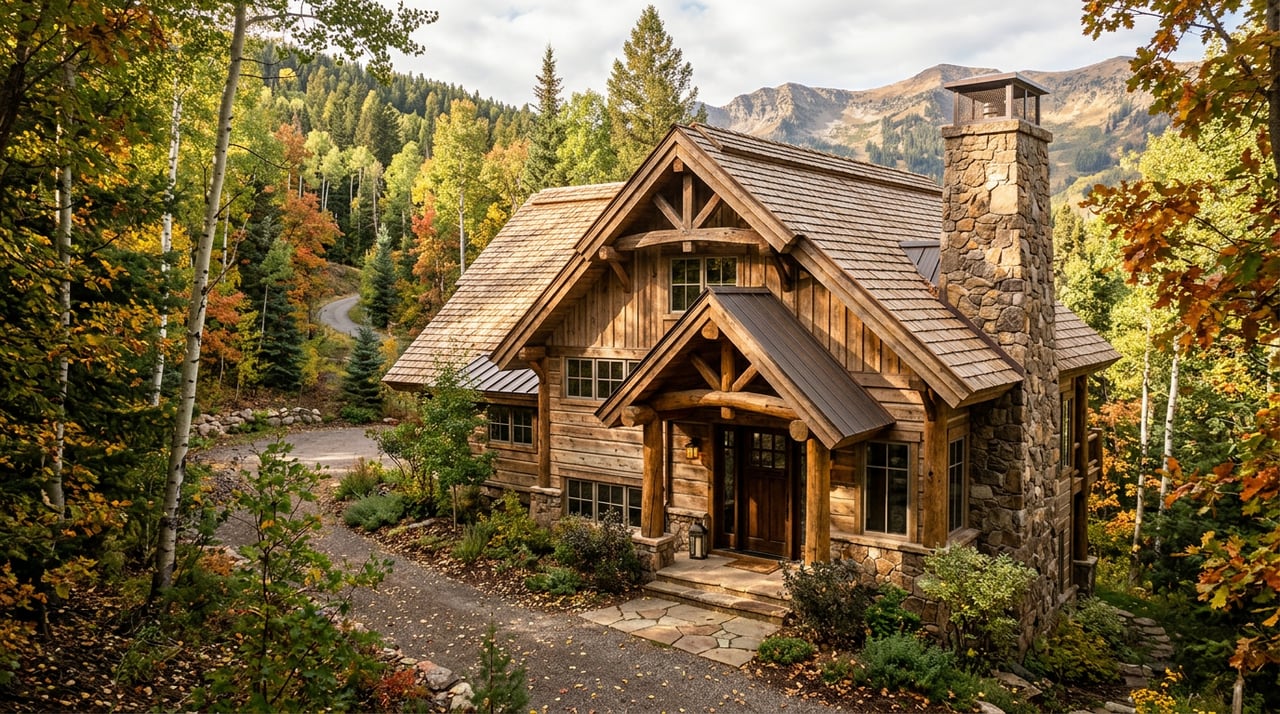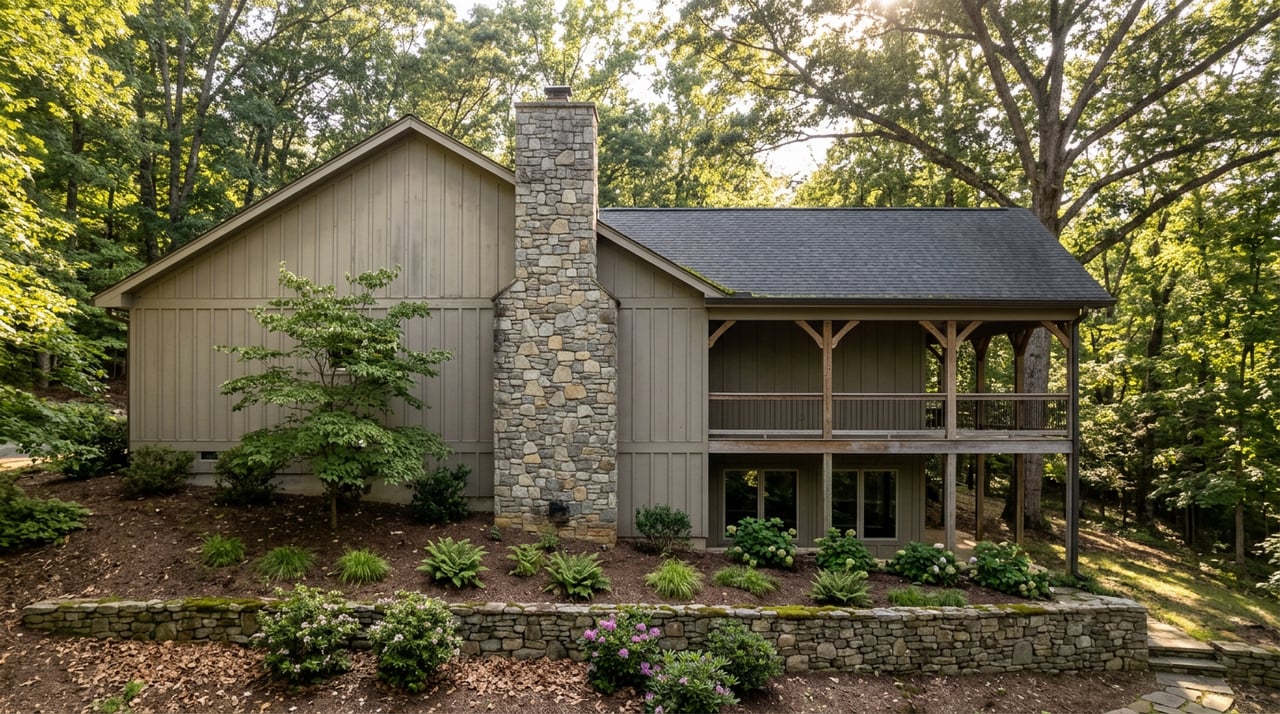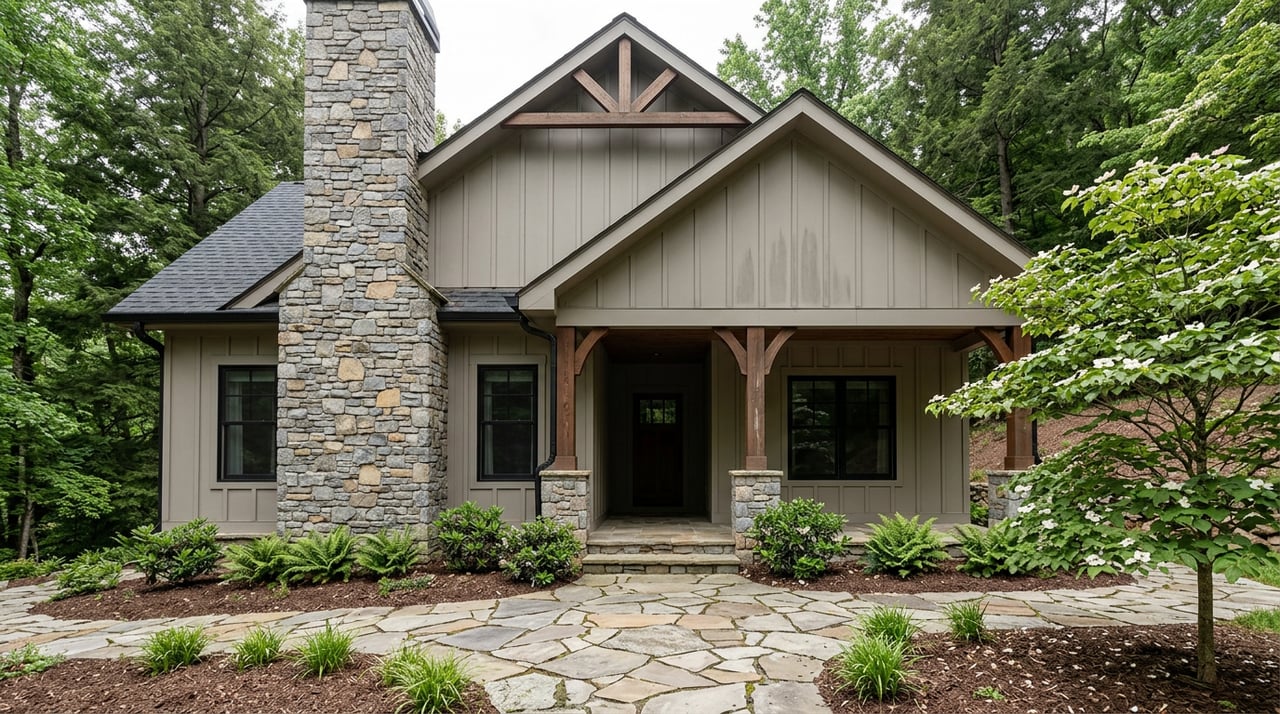
Ask a Big Canoe seller what their monthly community fee covers, and they'll walk you through golf, tennis, the pools, maybe a slip at the marina. Ask what happens to any of that access on the day the sale closes, and most sellers pause. The honest answer is that none of it moves with the house. Every amenity membership in Big Canoe belongs to the person who applied for it, not the property, and it resets to zero the moment the deed changes hands.
That's not something buyers pick up secondhand from other buyers who got surprised. It's written directly into the Property Owners Association's own governing document, the Amenity Membership Provisions that took effect January 1, 2026. The POA states plainly that membership rights are personal to the member, and lays out in detail what does and doesn't survive a sale. For anyone deciding to write an offer partly because of what a listing shows at the clubhouse or on the course, that distinction is worth understanding before the contract goes out.
The Access in the Photos Isn't the Access You're Buying
Big Canoe's amenities are the reason a lot of buyers end up here in the first place. There's a 27-hole course split across the Creek, Choctaw, and Cherokee nines, originally designed by Joe Lee, with Creek renovated by golf architect Bill Bergin in 2021 and Choctaw following in 2024. The Racquet Club runs ten tennis courts and four pickleball courts. There's a Wellness Center with an indoor pool, a marina on Lake Petit, and Duffer's Bistro for a post-round meal. None of it comes bundled with the purchase price, regardless of what the current owner pays for or how heavily a listing leans on the phrase "resort-style living."
The POA sells no memberships directly to the public. Gate access is limited to property owners, their guests, and rental home guests, which means the only way into the membership system at all is to already hold title. Once you do, you file your own application. You do not inherit the seller's.
This is a different structure than a lot of buyers expect coming from other gated communities, where an initiation fee is often priced into the home and simply carries forward with the next owner. Big Canoe splits the two apart on purpose. Gate access, the mandatory POA assessment, and use of common property like roads and trails attach to the property itself. Amenity memberships, golf, tennis, wellness, swim, and fishing, attach to the individual who applies and pays. Full stop.
What Comes With the Deed, and What Doesn't
Tied to the property (transfers automatically) | Tied to the individual (must be applied for again) |
|---|---|
Gate access for owners and their guests | Golf membership |
Mandatory POA assessment | Tennis and pickleball membership |
Use of roads, common areas, hiking trails | Wellness Center and indoor pool access |
Right to apply for amenity membership | Marina and boat storage privileges |
Any Grandfathered Membership status |
The Grandfathered Membership That Can't Be Bought at Any Price
Some longtime owners hold what the POA calls a Grandfathered Membership, a legacy status tied to eligibility rules or membership history from years before the current fee structure. Under the 2026 provisions, these are explicitly personal to the member. If a Grandfathered Membership is voluntarily or involuntarily terminated, lapses, or is dropped for any reason, it's gone permanently. It cannot be reinstated, renewed, or reissued to anyone, including the person who buys that owner's house the following month.
This matters for a specific reason during negotiations. A seller who lets a long-held membership lapse before listing, often to save a few months of dues while the home sits on market, may be giving up a status a buyer would have valued, and there's no clause a real estate contract can write to bring it back. If you're touring a home and the listing mentions a long-established golf or racquet membership, ask directly whether it's still active and whether it carries Grandfathered status. If the seller has already resigned, that door is closed for good, for both of you.
Why the HOA Number on the Listing Sheet Is Really Two Numbers
Active Big Canoe listings show a striking range in reported HOA and amenity costs, from under $30 a month on the low end to over $4,500 on the high end. That spread isn't inconsistent community pricing. It's the sum of two separate charges that get reported together as one line item. The first is the mandatory POA assessment every owner pays regardless of which amenities they use, funding roads, common property, and general operations. The second is the optional amenity portion, billed only to owners who've elected to join golf, tennis, wellness, swim, or fishing, and priced according to what that specific owner chose.
A lot owner who pays as they play shows a number near the bottom of that range. A full-time resident who bundled golf, tennis, and wellness together shows a number near the top. Neither figure tells a buyer what they'll actually pay, because a new owner's amenity bill starts from the current year's fee schedule and their own decisions about which amenities to join, not from whatever the seller's most recent statement happened to show.
That distinction matters more given where prices sit right now. As of mid-2026, homes in Big Canoe carried a median sale price in the $725,000 to $835,000 range, with days on market trending down to roughly 65 to 70 days from a slower pace a year earlier. None of that purchase price includes what it costs to actually use the golf course or the pools after you've moved in, and the fee shown on the listing sheet won't tell you that number either.
The Twelve-Month Commitment New Owners Walk Into
Joining any amenity in Big Canoe isn't a month-to-month decision. Once you sign up, you're committed to a minimum of twelve months, and the membership automatically renews each year unless you cancel in writing. Downgrading is even more restricted: it can only happen after the twelve-month anniversary, no more than twice over the life of the membership, and any change has to be submitted in writing by the 15th of the month to take effect.
There's a bundling incentive built into this structure. Join golf, tennis, and wellness together in the same enrollment and you become a Medallion Member, which comes with a complimentary swim membership to both outdoor pools and a 10 percent discount on the total fees, with fishing sometimes included in that discount. It's a real savings for someone who knows they'll use all three. But because backing out is slower than signing up, it's worth deciding what you'll actually use before you commit to the bundle just because it looks efficient on paper.
Before You Write the Offer
- Ask the seller directly whether their current amenity memberships are active, and whether any carry Grandfathered status that would lapse at closing.
- Request a copy of the POA's current Amenity Membership Provisions rather than relying on an older summary. Terms shift year to year. Under the 2026 provisions, the reinstatement fee waiver now applies after more than one year out of a program, down from two years in versions the community published previously.
- Separate the mandatory POA assessment from the amenity portion on any fee figure a listing shows you. Ask specifically what's included.
- Budget for your own initiation and first-year membership costs as new money you'll spend after closing, not something already priced into the home.
- Decide which amenities you'll realistically use before joining anything, since the twelve-month minimum and limited downgrade windows make backing out considerably slower than opting in.
FAQ
If the seller currently has a golf membership, can I just take it over? No. Memberships are non-transferable under the POA's provisions. A new owner applies and pays as a new member regardless of what the seller held.
What if I want the same membership tier a longtime owner had? If that status was Grandfathered and it has lapsed, it can't be reissued to you or reinstated, even if you're willing to pay for it. You'd join under the current standard fee schedule instead.
Does the mandatory POA assessment change depending on which amenities I join? No. The mandatory assessment funds roads, common property, and general operations regardless of amenity choices. Amenity fees are billed separately once you've applied and joined.
Big Canoe's amenities are a genuine part of what the community offers, but they're a decision you make as a new owner, not a feature that arrives with the keys. Understanding that before you write an offer means no surprises on closing day, and no guessing about what your actual monthly cost of living there will be. If you're comparing homes in Big Canoe and want help reading a listing's fee structure correctly before you commit to anything, Thomas Petrigliano can walk through the numbers with you. Start Your Home Search when you're ready to look at what's actually available.